Last fact-checked: August 28, 2026. Restaurant booking windows, platform features, fees, and cancellation rules change frequently. Always read the terms shown for your exact restaurant, date, course, and party size before confirming.
Quick answer: The safest way to reserve a restaurant in Japan is to start with the restaurant’s official website. If it links to an online booking service, use that link; if it accepts only phone reservations, call directly or ask your hotel whether it can help. Save the confirmation, disclose allergies and children before booking, and read the cancellation policy carefully. A card may be used for prepayment, a temporary authorization, or a no-show guarantee—those are not the same thing.
You do not need to reserve every meal in Japan. Many ramen shops, casual chains, family restaurants, and small lunch spots use a line or a waiting list instead. The trick is knowing which meals deserve a plan and which ones are better left flexible.
The simplest booking rule: Use one reservation channel, enter accurate information, and keep one confirmation. Do not ask a hotel, a booking service, and a friend to reserve the same table “just in case.” A restaurant sees three bookings, not one careful traveler.
- Restaurant Reservations in Japan: Quick Comparison
- Do You Actually Need a Restaurant Reservation?
- How Early Should You Book?
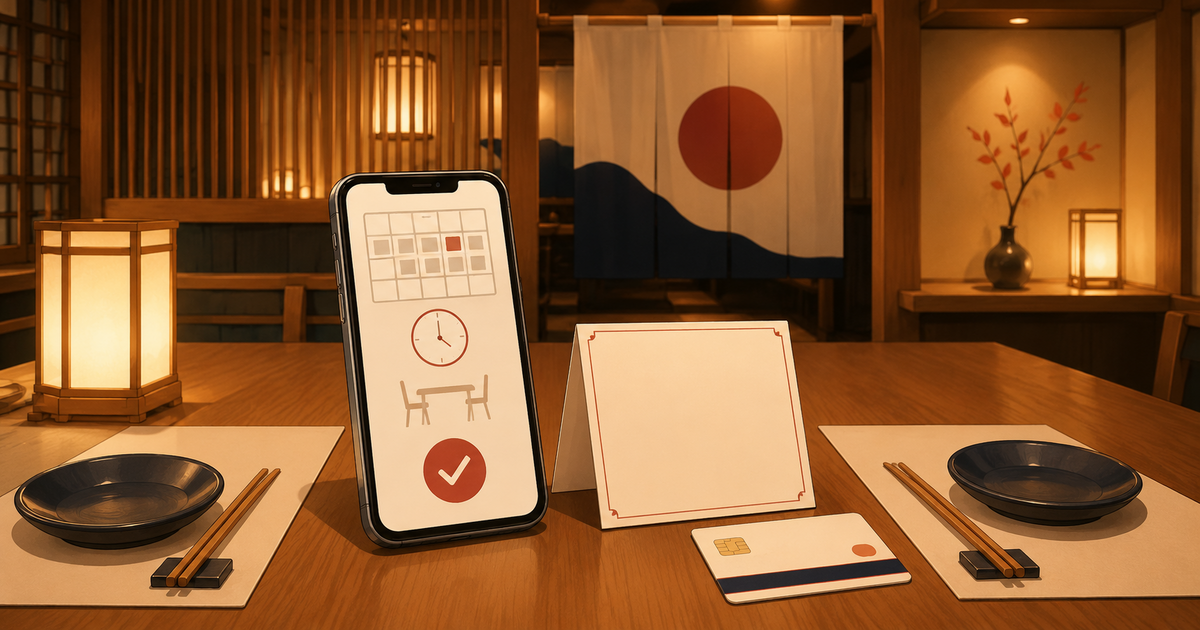
- The Safest Step-by-Step Booking Process
- Method 1: Book Through the Restaurant’s Official Website
- Method 2: Use a Restaurant Reservation Platform
- Method 3: Reserve by Phone
- Method 4: Ask Your Hotel for Help
- What If the Form Requires a Japanese Phone Number?
- Credit-Card Guarantees, Holds, and Prepayment
- Cancellation Fees and No-Shows
- What Happens If You Are Late?
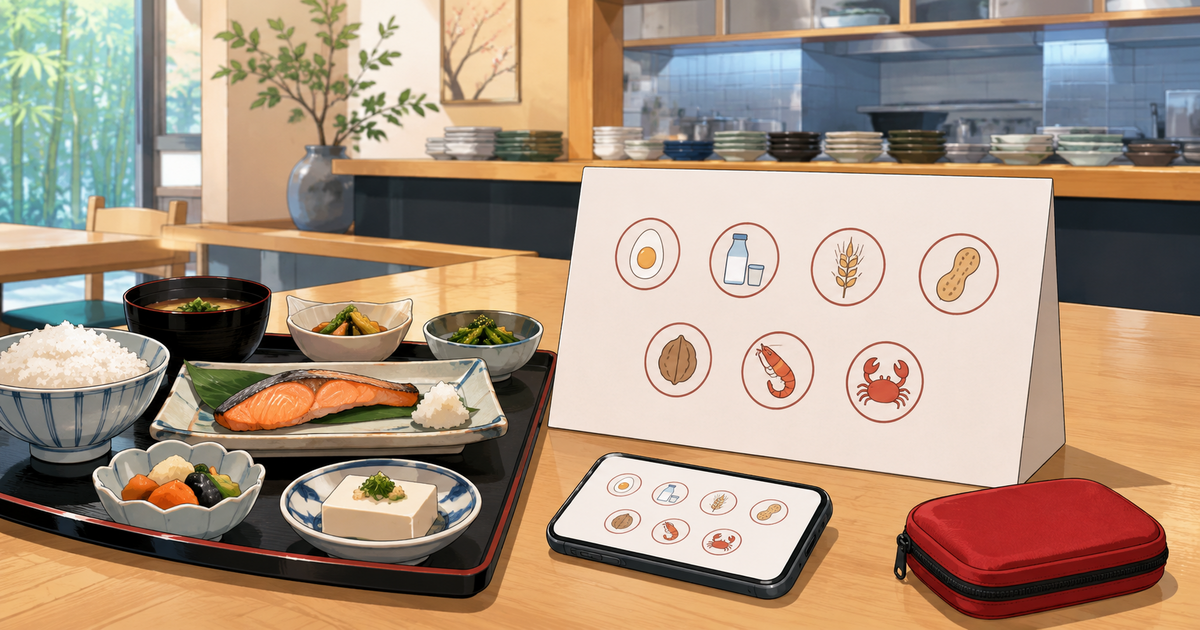
- Allergies, Dietary Restrictions, Children, and Seating
- A Note From Sho: What Helps Staff Most
- Common Reservation Mistakes to Avoid
- Reservation Confirmation Checklist
- Frequently Asked Questions
- Final Advice
- Official Sources
Restaurant Reservations in Japan: Quick Comparison
| Method | Best for | Main advantage | Main limitation |
|---|---|---|---|
| Restaurant’s official website | Most planned meals | Direct, current rules and menu details | The form may be Japanese-only |
| Online reservation platform | Travelers booking from abroad | Search, availability, and confirmation in one place | Not every restaurant or time slot is listed |
| Phone call | Small restaurants and special questions | Direct communication with the venue | Language, time zones, and international calls |
| Hotel concierge or front desk | Phone-only restaurants | Staff may communicate in Japanese | Help is not guaranteed and may be limited to guests |
| Walk-in or waiting list | Casual and flexible meals | No advance commitment | Possible wait or no availability |
Do You Actually Need a Restaurant Reservation?
A reservation is most useful for small counter restaurants, tasting menus, kaiseki, popular sushi restaurants, hotel restaurants, character cafes, dinner shows, large groups, and meals connected to a birthday or other fixed plan. It is also wise when a restaurant must prepare a special course, when your schedule leaves no backup time, or when you need to discuss a serious food allergy in advance.
Reservations are often unnecessary—or impossible—at ramen shops, fast-food chains, many family restaurants, conveyor-belt sushi chains, and casual neighborhood places. The Japan National Tourism Organization notes that restaurants without reservations may use a sign-up sheet or waiting system at the entrance. Write your name and party size, then follow the instructions rather than occupying the doorway.
An empty table does not prove that a restaurant can seat you. The table may be reserved, the kitchen may be at capacity, or the restaurant may have fewer staff than seats. Likewise, a restaurant that does not appear on an English booking platform is not necessarily closed or fully booked. Check its official site or call before giving up.
How Early Should You Book?
There is no universal “30 days before” rule. Each restaurant controls its own booking window. Some accept reservations several months ahead, some release a new month on a fixed date and Japan Standard Time, and others open only a few weeks or days in advance. A popular restaurant may also release cancellations without warning.
For an important meal, check the official reservation page as soon as your travel dates are fixed. Record:
- The date and time reservations open
- Whether the opening time is stated in Japan Standard Time
- The number of guests allowed per reservation
- Whether children count toward the party size
- Whether a course must be chosen in advance
- The cancellation deadline and fee
If you are flexible, weekday lunches and earlier dinner times can be easier than Friday or Saturday evening. Do not build an entire day around one restaurant until you have received a confirmation—not merely submitted a request.
The Safest Step-by-Step Booking Process
- Find the restaurant’s official site. Use the exact restaurant name and location. Chains may have several branches with similar names.
- Open the official reservation page. If it sends you to TableCheck, Tabelog, Rakuten GURUNAVI, OMAKASE, or another service, that outbound link is the safest way to confirm the correct listing.
- Check the date, time, party size, course, and branch. Repeat this before payment.
- Read every condition. Look for cancellation fees, time limits, age restrictions, required orders, and arrival rules.
- Enter a reachable email and phone number. Include the correct country code if the form accepts an overseas number.
- State essential requests now. Allergies, mobility needs, children, and a stroller should not be surprises at the door.
- Confirm only once. Wait for the confirmation page, email, or SMS before trying again.
- Save proof offline. Screenshot the restaurant name, address, date, time, party size, booking number, course, payment status, and cancellation policy.
Check the address on a map before the day of the meal. Restaurants may be inside office buildings, department stores, station complexes, or basements with more than one entrance. Save the Japanese name and address so a taxi driver or local staff member can identify it.
Method 1: Book Through the Restaurant’s Official Website
This should be your first choice because it is the most direct source for current menus and conditions. The site may have its own form or may link to a third-party booking platform. Browser translation can help with a Japanese-only page, but check translated dates, times, course names, and negative statements carefully.
Some forms are instant reservations. Others are requests that the restaurant must accept manually. Words such as “request received” or an automated email do not necessarily mean the table is confirmed. Look for a clear confirmation and contact the venue if the status remains uncertain.
Never send credit-card details by ordinary email. Enter payment information only on the restaurant’s secure official booking page or the platform it officially links to.
Method 2: Use a Restaurant Reservation Platform
Several services list restaurants in Japan, but their coverage, booking models, languages, and fees differ. Use a platform as a tool—not as proof that it represents every available restaurant.
TableCheck
Many restaurants and hotels use TableCheck for direct online reservations. The exact rules are set by the venue. Depending on the booking, you may reserve a seat, choose and prepay for a course, or register a card as a guarantee. TableCheck’s diner help center says cancellation terms appear in the booking confirmation and on the cancellation or change screen. It also warns that a fee may apply when you change the party size or time.
If you need to cancel, use the link in the confirmation message or the booking-management page. Wait for the cancellation confirmation. If the cancel button is unavailable, follow the stated policy and contact the restaurant; the platform cannot always cancel on the restaurant’s behalf.
Tabelog
Tabelog’s English site is useful for finding restaurants and now includes online reservations for participating listings. Some pages offer instant booking, while others display information or a phone number. Check that the reservation is for the exact location and do not treat a review page alone as the restaurant’s official policy.
Rakuten GURUNAVI
Rakuten GURUNAVI offers restaurant search and online reservations, including prepaid course bookings at participating venues. Prepayment can make the arrival process straightforward, but it also means you must review the course, refund rules, and final price before paying.
OMAKASE and other specialist services
Specialist platforms can be useful for high-demand sushi, fine dining, and reservation-only restaurants. Availability may open at a specific time, and a service fee may be separate from the meal. Cancellation policies can be strict—sometimes a percentage applies immediately after confirmation, and some prepaid bookings become nonrefundable. Read the terms for that restaurant rather than assuming one platform-wide rule.
Important: “No availability” on one platform may mean that platform has no allocated seats, not that every restaurant seat is gone. Check the restaurant’s official reservation page, but do not create overlapping bookings through multiple services.
Method 3: Reserve by Phone
Some small restaurants accept reservations only by phone. Call during the restaurant’s stated telephone hours, not during the busiest lunch or dinner service unless instructed otherwise. Remember that Japan is on Japan Standard Time and does not use daylight saving time.
Before calling, write down:
- Restaurant name and branch
- Your preferred date and one backup date
- Your preferred time and one backup time
- Number of adults and children
- Children’s ages and whether they need seats
- Your name, spelled slowly in Roman letters
- A reachable phone number
- Any allergy or dietary question
A restaurant may not be able to conduct a long English call. Keep the first question simple: “Eigo wa daijōbu desu ka?” (Is English okay?) If not, thank the staff and use another channel rather than forcing a complicated reservation.
Simple phone-reservation script
| Japanese | Meaning |
|---|---|
| Yoyaku o onegaishimasu. | I would like to make a reservation. |
| Hachigatsu sanjū-nichi no shichiji wa aiteimasu ka? | Is 7:00 p.m. on August 30 available? |
| Futari desu. | There are two people. |
| Namae wa Sho desu. | The name is Sho. |
| Shokumotsu arerugii ga arimasu. | I have a food allergy. |
| Mō ichido onegaishimasu. | One more time, please. |
| Arigatō gozaimasu. | Thank you very much. |
Dates and numbers are where phone calls go wrong. Repeat the final date, time, number of guests, and name before hanging up. If you need reliable mobile data or calling options, see our guides to using your phone in Japan and choosing a Japan eSIM.
Method 4: Ask Your Hotel for Help
JNTO notes that a hotel concierge or travel agent may be able to assist when a phone reservation is the only option. The important word is may. Assistance depends on the property, staffing, language ability, restaurant, and whether you are a registered guest.
Ask politely and provide complete information in one message. Include the restaurant’s official name, phone number, address, desired date and time, party size, backup times, children’s ages, allergies, and your hotel reservation name. A screenshot of a social-media post is not enough to identify a restaurant with confidence.
Your hotel may decline if the restaurant requires your personal credit card, an online account, prepayment, or direct agreement to strict cancellation terms. The restaurant may also refuse proxy bookings. Some hotels help only after check-in, while others accept advance requests from confirmed guests. This is a service, not an entitlement.
If the hotel makes the booking, ask for the exact confirmation details and cancellation procedure. Do not assume the hotel will monitor changes for you. If your plans change, tell the same hotel promptly and obtain confirmation that the restaurant was contacted.
Do not use the hotel’s phone number without permission. A booking form may send confirmation or urgent calls to that number. Ask the hotel whether its number can be used and how messages will reach you.
For managing advance requests and matching your reservation name at check-in, read our Japan hotel check-in guide.
What If the Form Requires a Japanese Phone Number?
First, look for an international country-code selector or an official English reservation page. If the form truly accepts only a domestic number, do not invent one and do not enter the number of an unrelated person or business.
Your practical options are:
- Use another official booking channel linked by the restaurant
- Call the restaurant directly
- Ask your confirmed accommodation whether staff can assist
- Choose a restaurant with a booking system you can complete accurately
A Japanese data-only eSIM may not include a Japanese voice number. Check the plan details before assuming it solves a phone-number requirement.
Credit-Card Guarantees, Holds, and Prepayment
A booking screen may request a card for three different reasons:
| Card use | What it usually means | What to check |
|---|---|---|
| Card guarantee | The restaurant can charge an eligible cancellation or no-show fee | Fee amount, deadline, reductions in party size |
| Pre-authorization | A temporary hold verifies funds or secures the booking | Whether you still pay the restaurant on the day |
| Advance payment | The course or booking is charged before the visit | What is included, refund rules, drinks and service charges |
These distinctions matter with debit and prepaid cards. A temporary authorization can reduce your available balance even when the restaurant has not collected the meal payment. TableCheck also explains that some “pay at restaurant” reservations can show a card transaction that is later released, while payment is still required at the venue.
Keep the physical card used for the reservation if possible, choose Japanese yen when your card issuer offers a better conversion arrangement, and carry a backup payment method. Our Cash vs Card in Japan guide explains foreign-card acceptance and dynamic currency conversion.
Cancellation Fees and No-Shows
There is no single national restaurant cancellation fee. The policy belongs to the individual restaurant and may vary by course, date, party size, and how close the cancellation is to the reservation. Possible charges include a flat amount per person, part of the course price, the full course price, or loss of a prepaid amount or service fee.
A reduction from four guests to three can be treated as a partial cancellation. Changing the time may also trigger the policy if the original booking must be canceled. Read the terms before modifying anything.
JNTO asks travelers to cancel well in advance because small restaurants may purchase and prepare ingredients specifically for reservations. A no-show is not a harmless unused chair; it can mean wasted food, lost income, and an empty seat that another customer could have used.
If you must cancel:
- Use the cancellation method stated in the confirmation.
- Do it immediately rather than waiting for the deadline.
- Save the cancellation confirmation.
- If the online button does not work, contact the restaurant or the stated support channel.
- Do not dispute a valid fee merely because you forgot the policy you accepted.
What Happens If You Are Late?
Contact the restaurant as soon as you know you will be late. JNTO specifically recommends calling ahead when running behind. A restaurant may hold the table, shorten your seating time, skip courses that cannot be served late, or treat the reservation as canceled. The outcome depends on its stated rules.
For a timed tasting menu or small counter, arrive about 5–10 minutes early unless the restaurant gives another instruction. Do not arrive 30 minutes early and expect immediate entry; the team may still be preparing the room.
Build travel time around the correct branch, building floor, and station exit. Tokyo Station, Shinjuku, Umeda, and Kyoto Station can turn a “two-minute walk” into a small indoor expedition.
Allergies, Dietary Restrictions, Children, and Seating
State essential needs before the reservation is accepted. The request box is not a wish fountain, but it is the right place to start.
- Food allergies: Name the exact allergen, severity, and cross-contact concern. Ask for confirmation; silence is not acceptance.
- Vegetarian or vegan meals: Explain whether fish stock, bonito, meat extract, eggs, and dairy are excluded.
- Children: Give ages, number of seats needed, and whether they will order meals. Some restaurants have age restrictions.
- Strollers and mobility needs: Ask about access, storage, steps, and seating before arrival.
- Counter, table, or private room: Treat these as requests unless the booking confirms a specific seat category.
- Celebrations: Ask what the restaurant offers. Do not bring outside cake, decorations, or gifts that require storage without permission.
Our complete food allergy guide for Japan covers bilingual allergy cards, labeling, cross-contact, medication planning, and emergencies. For behavior after you arrive, see the Japan restaurant etiquette guide.
A Note From Sho: What Helps Staff Most
I have worked in restaurant kitchens and now work in accommodation management. From both sides of that conversation, the most helpful reservation is accurate, complete, and made through one channel.
Restaurants need the real party size and important dietary information early. Accommodation staff need the exact restaurant, branch, dates, and backup choices before they can help. “That famous sushi place I saw online” is a mystery; a link, address, and phone number are a solvable request.
If plans change, cancel promptly. Honest communication is far more useful than a perfect Japanese sentence sent after the table has already been empty for an hour.
Common Reservation Mistakes to Avoid
- Booking the wrong branch of a restaurant chain
- Confusing a request receipt with a confirmed reservation
- Ignoring Japan Standard Time when bookings open
- Assuming card registration always means the meal is prepaid
- Using a fake Japanese phone number
- Leaving allergies or children out of the booking
- Making duplicate reservations through several services
- Asking multiple hotels to contact the same restaurant
- Changing the party size without checking the cancellation policy
- Arriving late without contacting the venue
- Deleting confirmation emails before the trip
Reservation Confirmation Checklist
- Correct restaurant and branch
- Correct calendar date and Japan time
- Correct number of adults and children
- Course, seat category, and dining time limit
- Allergy or dietary request acknowledged
- Payment status: guarantee, authorization, or prepayment
- Cancellation deadline and fee
- Restaurant phone number and Japanese address
- Confirmation number and cancellation link saved offline
- Route planned to arrive 5–10 minutes early
Frequently Asked Questions
Can I make restaurant reservations in Japan without speaking Japanese?
Yes. Many restaurants offer English or multilingual online booking. For a phone-only restaurant, ask whether your hotel can assist or choose another venue with an accessible official booking channel.
Is TableCheck free for diners?
Do not assume every booking has the same cost structure. A restaurant may require prepayment, a card guarantee, or another stated charge. Read the final price and conditions for the exact reservation before confirming.
Can my hotel concierge guarantee a reservation?
No. Staff may be able to contact the restaurant, but availability and acceptance remain the restaurant’s decision. The hotel may also be unable to agree to personal cancellation terms or provide your card.
Should I reserve every dinner in Japan?
No. Reserve meals that are important, popular, specialized, or difficult to replace. Leave some casual meals flexible so delays and spontaneous discoveries do not create a chain of cancellations.
What if I cannot attend because my train or flight is delayed?
Contact the restaurant immediately. The stated cancellation policy may still apply even when the delay is outside your control. Travel insurance or card coverage may help in limited cases, but that is separate from the restaurant’s right to apply its terms.
Can I transfer my reservation to another person?
Only if the restaurant or platform explicitly allows it. High-demand bookings may prohibit transfers or require identity confirmation. Contact the venue instead of changing the name informally.
Final Advice
Restaurant reservations in Japan are not difficult when you treat the confirmation as an agreement rather than a casual placeholder. Start with the official restaurant site, use the booking channel it provides, disclose essential information, and save the exact terms.
Then show up on time and enjoy the meal. The best reservation system is the one you no longer need to think about once you sit down.
Official Sources
- Japan National Tourism Organization: Making Reservations for a Seamless Trip
- Japan National Tourism Organization: Japanese Customs and Etiquette
- TableCheck: How to Cancel Your Reservation
- TableCheck: Check Cancellation Fees
- Tabelog: Japan Restaurant Search and Online Reservations
- Rakuten GURUNAVI: Online Prepaid Restaurant Reservations
- OMAKASE: Restaurant Reservations in Japan